Jim and Rhonda grudgingly agree it is time to buy a new car. They have held on to their old vehicle in part because of how much they hated their last car buying experience -- the hours spent at the library evaluating specific cars; the seemingly endless trips to car dealers where they were provided with little information other than glossy brochures; the hassles of getting a loan and new insurance; and the disappointment upon later learning that one of their neighbors bought the same car for much less.
This time, they think, maybe their computer can help. They know they need a larger vehicle for their growing family, but which is best -- a minivan or station wagon? A quick literature search pulls up independent reviews that outline the advantages and disadvantages of each model.
Still not sure which they would prefer, Jim and Rhonda review safety and performance reports on two minivans and two station wagons chosen from their initial search. The computer provides independently produced reports on consumer satisfaction, as well as the estimated maintenance and operating costs of each model.
The couple now decides to take a look at the candidate cars -- the automobile manufacturer's computer server allows them to see a video of the car, as well as make selections to view different colors, interiors, upholstery, and other options. The interactive display allows them to select options such as engine size, sound system, rear passenger air bags, and customized climate controls, while at the same time showing the estimated cost for these options and the impact on fuel consumption. This computer service actually allows the couple to custom design their car, choosing power brakes, for example, while bypassing power windows if they prefer. The availability of a car with the chosen options is shown at the bottom of the screen, along with an estimated delivery time for special orders. Reviewing the various packages available, the couple narrows their choice to two models.
While Jim and Rhonda could order their car directly from the manufacturer, like most drivers they want to experience for themselves how the car feels and handles, and find a reputable dealer near their home who can perform routine maintenance and handle repairs.
Using electronic "yellow pages," they request information on dealers carrying the two cars located within a 10-mile radius of their home, who also have service hours on Saturdays and until at least 8 p.m. on weeknights, and offer shuttle service to and from public transportation or work. These are displayed on a computer-generated map. Using the computer mouse to click on a specific dealer, information is displayed on the length of time the dealer has been in business, and other considerations, such as whether loaner cars are offered, and customer satisfaction rates.
Jim and Rhonda electronically notify two dealerships that they would like to make appointments for test drives on Saturday morning.
Using an electronic brokering service, the couple now checks information on the best advertised price for the cars, and whether it is best to lease or buy. The service also checks for the best loan terms available for a new car purchase, and offers electronic loan application forms that can be filled out, then electronically sent to the chosen lender. Another click and the couple compares insurance rates for the two cars -- is one more likely to be stolen and therefore more expensive to insure? How much can they save on insurance rates by investing in an alarm system? What company offers the best rates for their particular driving history and needs? Which has the greatest level of customer satisfaction in processing claims?
On Saturday morning, the couple test drives the two cars. That afternoon, they issue an electronic bid, which is answered by an electronic commerce service. They then pick the best offer and, upon acceptance, activate a process that orders their new car from the factory. Electronically generated loan and insurance procedures are carried out as well, so that a week later, when the dealer's shuttle comes to pick them up at their home, the couple signs the papers and drives home in their new car. "That wasn't so bad now, was it?" asks Jim. "No," responds Rhonda. "I can't imagine why I dreaded it so much. It was really quite fun."
Much of the technology described in this example of electronic commerce is available today, but on a far more limited basis. These innovative services will primarily be developed by private industry and public consumer organizations. The Federal government's role in these efforts will be to help develop the most effective technologies, ensure standards for interoperability of different multimedia systems, and spur the development of security measures to ensure privacy and protect against consumer fraud.
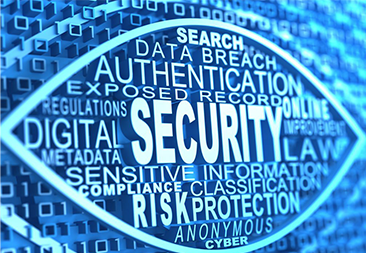
Advanced security protections such as encryption technology and authentication measures are crucial to the widespread use of electronic commerce, and the ability for Americans to conduct their business over the NII.
Services to support the publication, dissemination, and access of multimedia information will make electronic commerce readily available to the American public as well. Intelligent services will make it easy and convenient for first-time users to easily browse information spaces with a combination of speech and graphics and to delegate tasks associated with brokering to automated agents.
These services extend far beyond consumer convenience -- when Jim and Rhonda access the car manufacturer's computer, for example, it tracks the combination of features and options most sought by browsers, alerting the manufacturer to those that consumers are most and least interested in. A special option that is viewed frequently, but then rejected because of the price, could be popular enough to make in larger quantities for a lower price. These data, as well as those on what customers actually buy, can help auto manufacturers respond quickly to customer needs, and at the same time, increase their competitiveness in the global economy.